Understanding Roofing Warranties: What Every Homeowner Should Know Jul 23, 2026
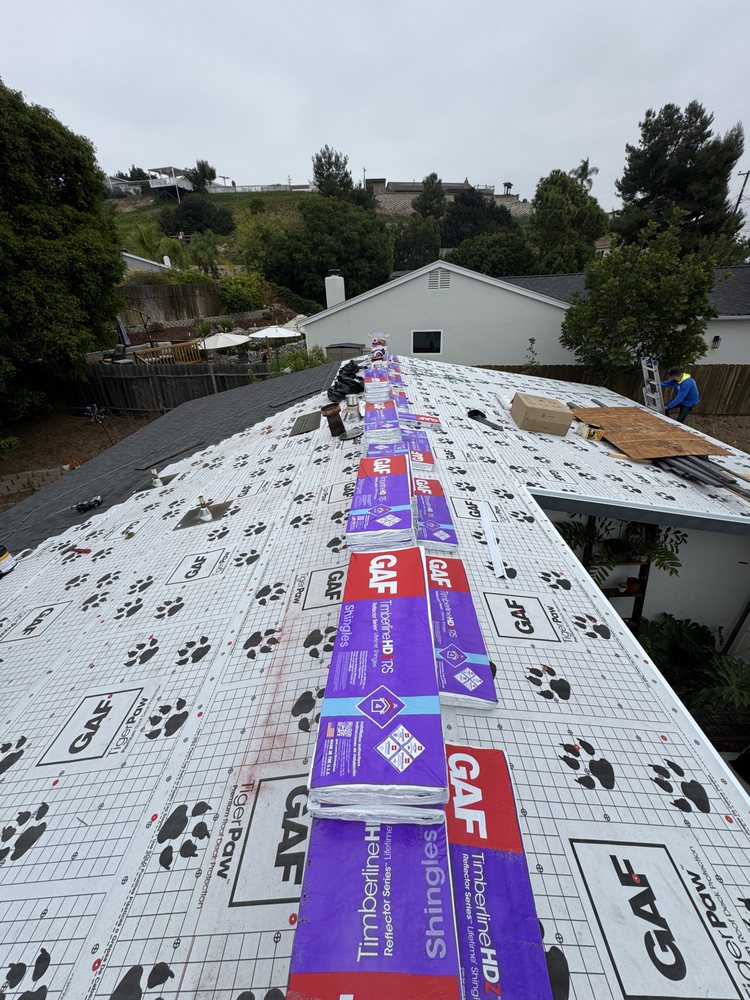
At their core, roofing warranties serve as a promise of quality and protection. However, not all warranties are created equal. Generally, roofing warranties are categorized into two types: manufacturer's warranties and workmanship warranties. A manufacturer's warranty, often called a material warranty, covers defects in the roofing materials themselves. These issues might include premature shingle wear or defective underlayment. On the other hand, a workmanship warranty is provided by the roofing contractor and covers the quality of their installation work.
When assessing a manufacturer's warranty, one of the key aspects to consider is the length of the coverage. Many roofing materials come with a standard 20 to 50-year warranty, depending on the material's quality and durability. Yet, the term "limited lifetime warranty" is often used, implying coverage for the expected lifespan of the roof. It's important to read the fine print, as these warranties may be prorated, meaning coverage diminishes over time, requiring more out-of-pocket expenses in later years.
Workmanship warranties, typically offered by roofing contractors like Mister Roofing Inc., may span anywhere from five to ten years. This warranty ensures that if the roof fails due to installation errors within the designated period, the contractor is responsible for repairs. Choosing a reputable contractor is vital, as a dependable workmanship warranty offers peace of mind knowing your roof is installed correctly.
Be mindful of the exclusions that many warranties have. Natural disasters, such as hurricanes or earthquakes, generally fall outside the coverage of standard warranties. Additionally, some warranties might be voided due to improper roof maintenance or unauthorized modifications made after installation. Regular inspections and maintenance, preferably scheduled with professional roofing services, help ensure your warranty remains valid and your roof remains in top condition.
Homeowners should also be aware of transferable warranties when planning to sell their home. A transferable warranty can be a significant selling point, as it allows the new owner to benefit from the existing warranty. This transfer typically needs to occur within a certain timeframe after the sale—and sometimes includes a fee—so clarifying these details with your contractor is crucial.
Finally, understanding roofing warranties doesn't just protect your roof; it protects your investment. By educating yourself on the various terms, conditions, and exclusions of roofing warranties, you can ensure you're covered against unforeseen issues without financial strain. At Mister Roofing Inc., we’re dedicated to helping you understand your roofing options and warranties thoroughly, so you can confidently choose the roofing solution that best meets your needs.
In conclusion, roofing warranties are an integral part of homeownership, providing essential protection against material defects and installation errors. Whether you're investing in a new roof or seeking clarity on a current warranty, being well-versed in its details ensures you're equipped to safeguard your home effectively. Mister Roofing Inc. is here to support you with expert advice and quality service, ensuring your roofing needs are met with trust and integrity.
/filters:no_upscale()/filters:format(webp)/media/cb744f57-f38b-41cf-bd52-a8a493710656.jpeg)