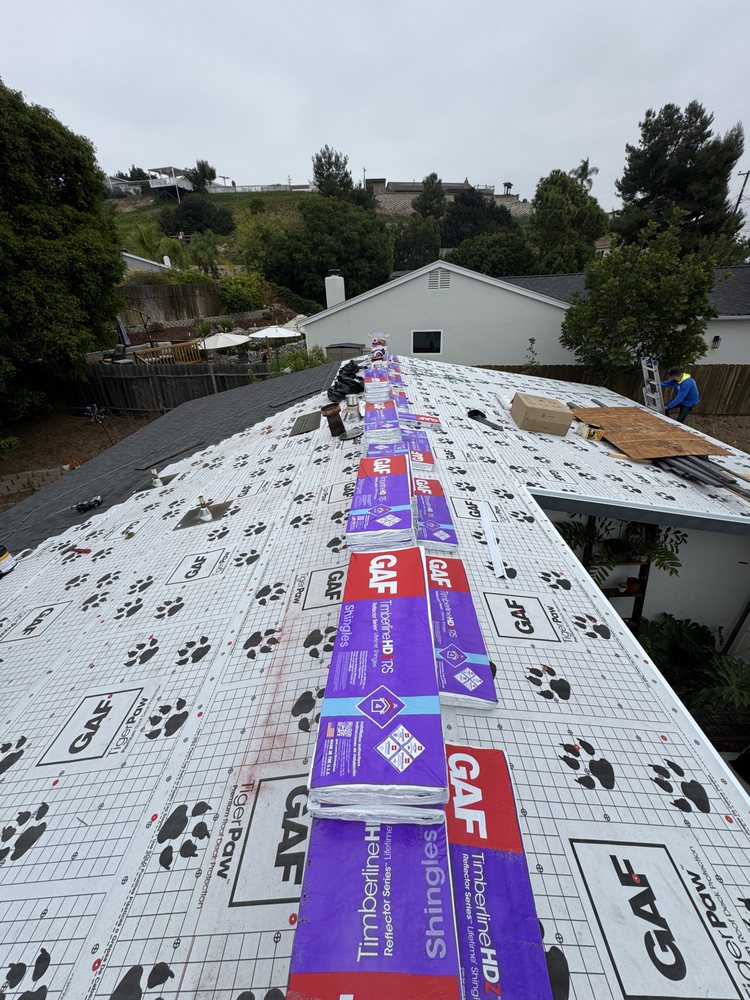
Roof Inspection Checklist: Preparing for Seasonal Changes Aug 23, 2026
Firstly, start with a visual inspection from the ground. This approach is both safe and effective in identifying obvious issues without climbing onto the roof. Look for missing or damaged shingles, as these can drastically affect the roof's performance, increasing vulnerability to leaks. Also, check for any unusual growths such as moss or algae, which may indicate trapped moisture beneath the shingles.
Next, examine your gutters and downspouts. They play a crucial role in directing water away from your roof. Clogged or damaged gutters can cause water pooling, leading to significant water damage or even an ice dam in the winter months. Ensure gutters are free of debris and securely attached to the home. Consider the potential need for gutter guards if blockages are a recurring issue.
The chimney and any vents are integral parts of your roofing system. Cracks in chimney structures can lead to leaks, whereas blocked vents can affect your home's ventilation. Inspect these areas closely for any signs of wear and seal any small gaps with appropriate materials.
Flashing, the metal strips located around chimneys, skylights, and vent pipes, is another essential component. Its primary job is to provide a waterproof barrier and ensure waterproofing around joints and intersections. Over time, flashing may corrode or peel away, compromising its effectiveness. During your inspection, ensure that flashing is intact and firmly secured.
Don't forget the attic. Proper roof inspection should include an interior examination for signs of leaks or water stains that might not be visible externally. Inspect the rafters and insulation for any signs of moisture or mold. Adequate attic ventilation is essential for preventing the buildup of heat and moisture in the warmer months and reducing ice dam formation in colder seasons.
After completing external and internal checks, consider the age and previous repairs of your roof. Older roofs may require more frequent inspections and maintenance efforts. If your roof has nearing the end of its life expectancy, it may be time to consult with professional roofing services like Mister Roofing Inc. for a more thorough evaluation or replacement options.
Finally, ensure regular maintenance checks are scheduled. Biannual inspections, ideally in the spring and fall, can prevent small issues from becoming costly problems. If you are uncertain about conducting a roof inspection yourself, professional roofing services provide a more comprehensive analysis and peace of mind.
In conclusion, preparing your roof for seasonal changes involves a detailed inspection and addressing any detected issues promptly. By following this checklist, you can ensure a more durable and resilient roofing system, providing essential protection for your home throughout the year. Regular maintenance by reliable roofing professionals like Mister Roofing Inc. can save you both time and money while enhancing the safety and comfort of your home.
/filters:no_upscale()/filters:format(webp)/media/cb744f57-f38b-41cf-bd52-a8a493710656.jpeg)